Top 5 Mistakes New Bands Make: a Guide to Your First Gig
The first gig is always the most daunting and the idea of getting on stage for the first time can leave you feeling unprepared or out of place. However, artists who’ve done it all before say they often feel the same way.
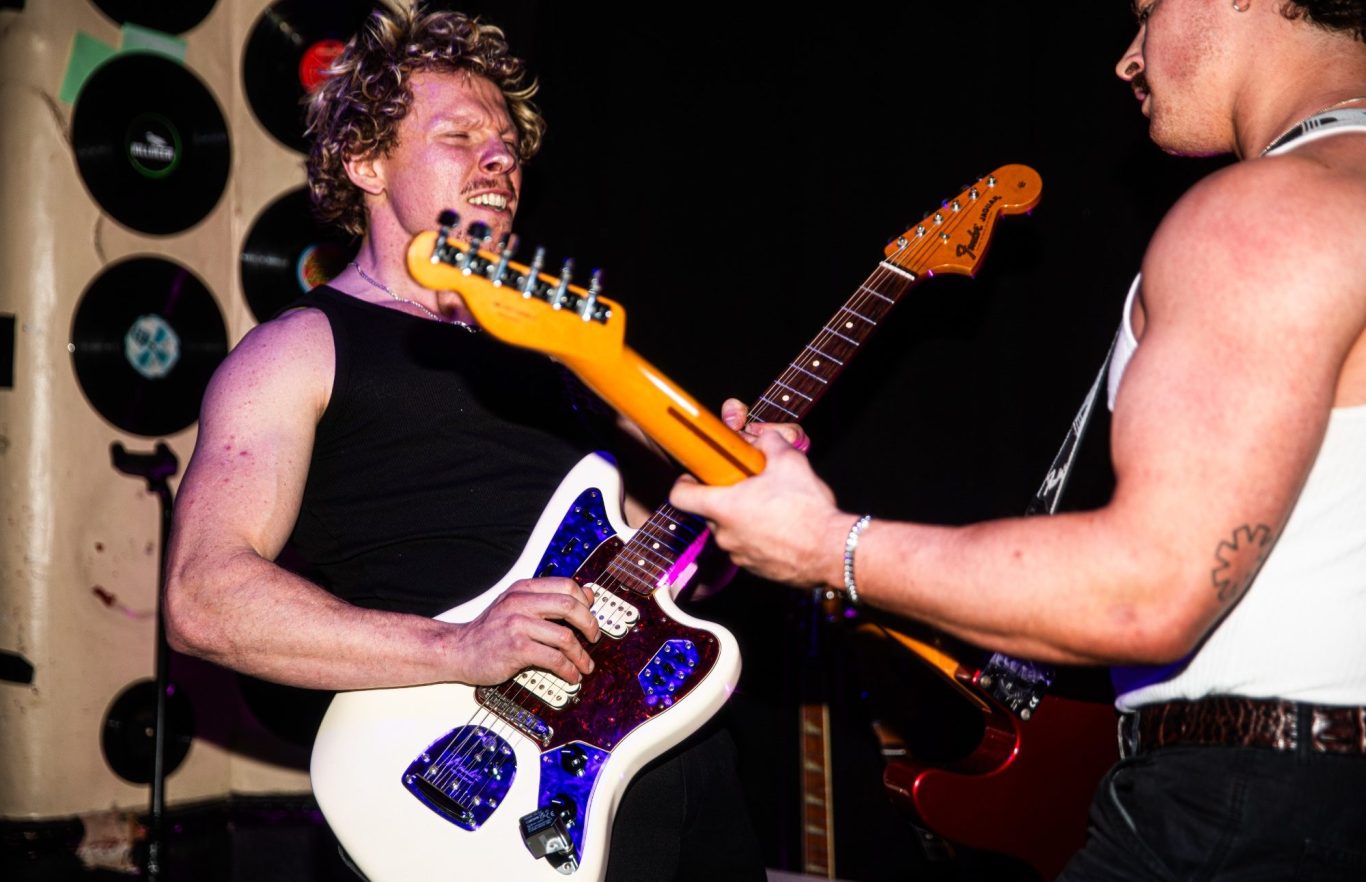
Even after gig number 50, playing for a new audience can make you feel shaky or unsure. So, if your first gig is fast approaching or you’re looking for what your live sound is missing, we’ve compiled the top five tips for a great live experience, both for you and for your audience.
1. Remember the sound engineer is there to help
Most venues will have an in-house sound engineer, who’s job is to make sure that what the audience hears is as good as possible. Whilst they can often seem daunting to speak if you’re in your early gigging days, they’re there to work with you, not against you.
Most of the time, bands will show up early for a sound check, where the engineer will test out the levels to make sure everyone can be heard properly, as well as letting you test the sound to see if the settings match your band’s tone. But sometimes time is tight, leading to the second option of the line check. This is just a quicker run through where each band member will play their instrument to ensure a similar volume level and that, quite vitally, their equipment actually works. This normally leads to the engineer updating your levels live, if you’re the opening band.
Additionally, larger or more established venues will offer monitor sound. These are sets of speakers directed toward the band to ensure they can hear themselves clearly. Remember to work with the engineer, not against them. If you’re going to try and score brownie points with anyone at the venue before the gig, the engineer is a good place to start.
2. Don’t try to mimic studio sound
It might seem tempting to make your band as absolutely polished as possible, with the best kit, pedals and instruments money can buy. However, in a live setting, things are going to go wrong and there’s no way that the sound is going to be as polished as when you tracked the 15th take of your solo in your bedroom.
The previously mentioned sound guy can make you sound better, but there are tonnes of different elements to consider. The main takeaway here is really to not overthink it. Relate back to live albums from your favourite artists, or why you went to see someone in concert. I’d likely assume that it wasn’t with the hope that they’d sound exactly like the recording.
You went to see them as a human being, playing their music, not the super polished studio sound. That’s what you should strive for, an authentic audience experience.
3. Consider what gigs you do take carefully
As an early artist, being invited to open for another band or having that email you sent to a venue 4 weeks ago actually get a response can be exciting. But before you say yes, there might be elements to consider.
The reality is that at the beginning, you might be renting a van to transport £1500 of equipment 40 miles away for a gig that pays in beer, lemonade and leftover chips. That’s not to say you shouldn’t take gigs that don’t pay. If you’ve got 15 followers on Instagram and don’t have any songs released, whilst you might be the next Oasis, odds are you won’t be playing the O2 this week, so playing will actually help.
But, if it is too far away for you or there isn’t a paid option, you have to consider the finances, or at the very least, the reasons you’re playing it. Is this gig going to propel you on social media to get more tickets sold for your next show? Is it going to give you great contacts with a larger band that matches your music genre?
I’m not saying you should pass up shows because you’re beneath working for free, that’s the nature of the gigging scene sometimes, but do take a look if its realistically beneficial for you, remember, your budget is your ammunition, spend it wisely.
4. Remember it won’t happen overnight
You might make the best music on the planet. You might have the best production and the best skills and the best stage presence and best everything. But if you can’t do it consistently, you might find yourself struggling to build traction.
Even with big artists, most of them aren’t churning out feature length albums every 6 months (unless you’re King Gizzard). You might have some great success with multiple gigs in a month, then nothing. You might have a great single release, but if you don’t play shows in that time period or at the very least, let people know properly through social media, you might not get what you want that time either.
The important thing to remember, is that not every gig is going to go well or necessarily achieve your goal. Equipment will break, the audience might not take to you this week, they might not jump around to your latest single. This is ok, a lot of playing gigs is a learning experience. You just have to be willing to take that information and roll with it.
5. Take audience feedback, but not all of it
If you make it to this point, congratulations, you survived your first gig. Now, you’ll likely either have people telling you they loved every second of it or people saying how much they loved a specific song. The second group are the ones who you want to pay attention to.
Those who can highlight an actual moment in your performance that they liked, are those who were most engaged with your music. People who give a generic “It was so good!” response, whilst being nice, aren’t going to give you anything you could build on for gig #2.
If you can start working out where you went wrong (which is inevitable) and what you did right, you’ll be able to start working out what a gig looks like for your band. Maybe the setlist needs work, maybe you need more audience interaction or maybe you need to give your bassist the boot.
Either way, another thing you should be doing is looking occasionally at the audience to see if they’re moving, actively listening or having a chat. If it’s the latter, you might want to review the setlist or change something to get people engaged.
These aren’t the only things you’ll see with early gigs, but they’re certainly some of my top tips from being in and around the industry for the past 6 years.
Want more from Line-In Network? Subscribe to our YouTube for sneak previews of our podcast, get connected on Spotify for full episodes or check our Instagram page for all our updates.